يعاني عدد متزايد من الأشخاص في دولة الكويت من انقطاع التنفس أثناء النوم، وهي حالة طبية خطيرة تتطلب التشخيص والعلاج المناسبين. فما هو هذا الانقطاع، وكيف يمكن التعامل معه؟
يحدث انقطاع التنفس أثناء النوم عندما يسد مجرى الهواء العلوي أثناء النوم. يؤدي هذا الانسداد إلى إيقاظ المريض جزئياً كي يستأنف التنفس. وتتكرر هذه الدورة من الانسداد والاستيقاظ والعودة إلى النوم طوال الليل، مما يمنع المريض من الحصول على نوم مريح وعميق. بالإضافة إلى حرمان المريض من النوم الجيد، يؤدي هذا الانقطاع إلى تقليل تدفق الدم إلى الأعضاء الحيوية، مما يؤثر على الصحة العامة. وإذا لم يتم علاجه، يمكن أن يزيد من خطر الإصابة بعدة أمراض منها مقاومة الإنسولين (بداية مرض السكري) وأمراض القلب والشرايين. يشعر المرضى بأعراض عدة، أبرزها: الشخير بصوت عال، الشعور بالاختناق أو «بالكويتي يفزع» أثناء النوم، ملاحظة الآخرين لتوقف التنفس أثناء النوم، الاستيقاظ المتكرر ليلاً، عدم الشعور بالراحة بعد النوم، الصداع عند الاستيقاظ، والنعاس الشديد أثناء النهار.
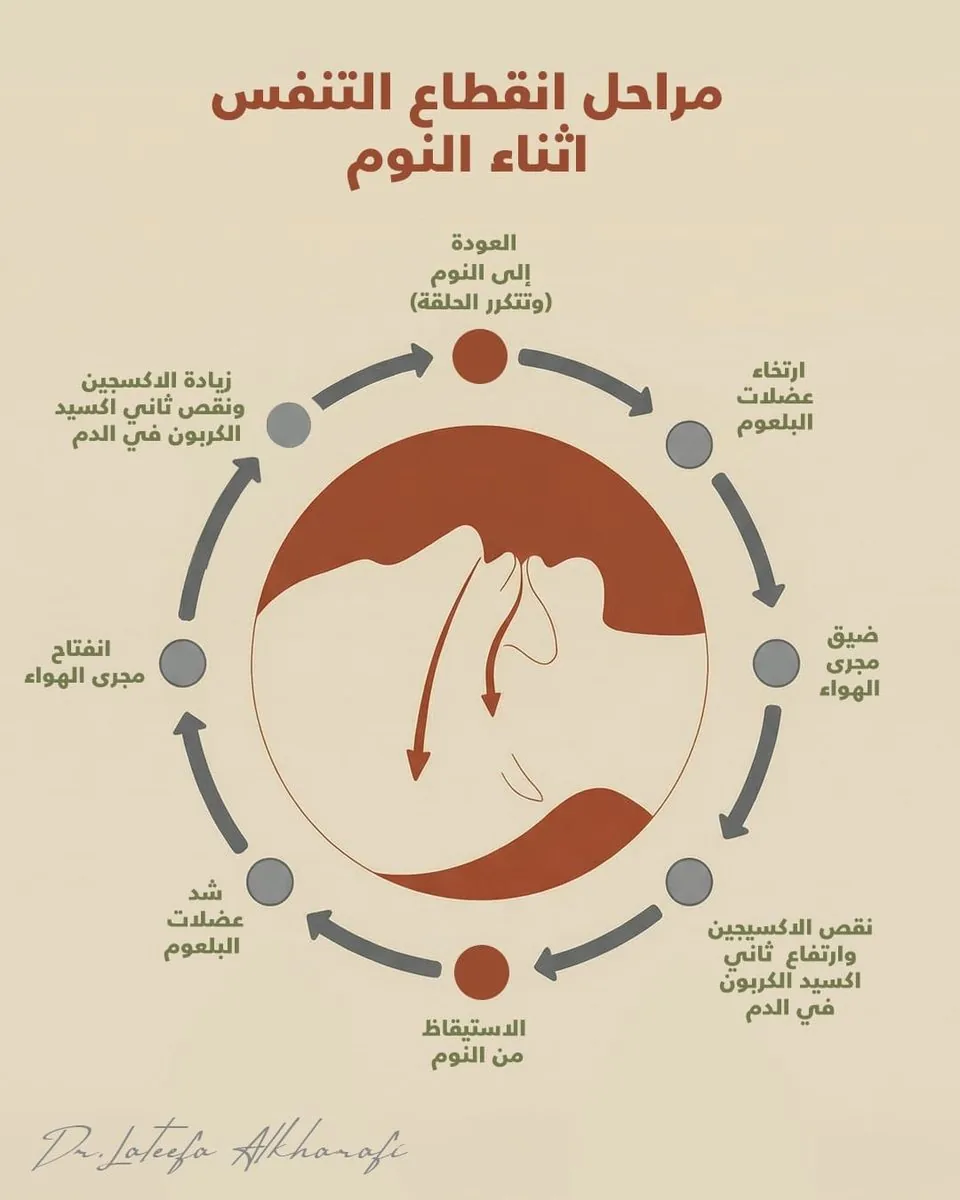
تزيد بعض العوامل من خطر الإصابة بانقطاع التنفس أثناء النوم، مثل: السمنة، إنتهاء سنوات الانجاب عند النساء، كون المريض ذكراً، والتقدم في العمر. كما أن بعض سمات بنية الوجه والفكين قد تزيد من احتمالية الإصابة، مثل: صغر حجم الفك السفلي أو تراجعه للخلف، ضيق الفك العلوي، عدم تطابق الأسنان الصحيح (العضة المفتوحة).
وتشير التقديرات إلى أن حوالي عشرين بالمئة من البالغين في الكويت معرضون لخطر كبير للإصابة بهذا المرض. يتم تشخيص انقطاع التنفس أثناء النوم عبر إجراء «دراسة النوم» أثناء الليل، والتي يجب أن تجرى تحت إشراف طبيب متخصص في طب النوم.
يقع على عاتق طبيب الأسنان دور مهم في التعرف على العلامات والأعراض المشيرة للمرض، وأخذ التاريخ الطبي للمريض وتحويله إلى طبيب النوم المتخصص عند الحاجة. وبعد التشخيص، يحدد طبيب النوم العلاج المناسب. من أهم خيارات العلاج:
خيارات العلاج
١ — جهاز الضغط الهوائي الإيجابي
يعتبر العلاج الأمثل لانقطاع التنفس أثناء النوم. وهو عبارة عن قناع متصل بجهاز يضخ الهواء لفتح مجرى التنفس أثناء النوم. يتم وصفه وتوفيره من قبل طبيب النوم.
٢ — جهاز تقديم الفك السفلي
هو جهاز يتم تركيبه في الفم أثناء النوم. يقوم الجهاز بدفع الفك السفلي إلى الأمام، مما يساعد على فتح مجرى الهواء العلوي. يقدم هذا الجهاز من قبل طبيب تقويم الأسنان أو طبيب الأسنان، ويوصف للمرضى الذين لا يستطيعون تقبل استخدام جهاز الضغط الهوائي الإيجابي أو إذا كان انقطاع التنفس غير شديد أو عند الشخير. وتشير الأبحاث إلى أن هذا الجهاز، وإن كان أقل فعالية من الجهاز السابق، يتقبله المرضى بشكل أفضل.

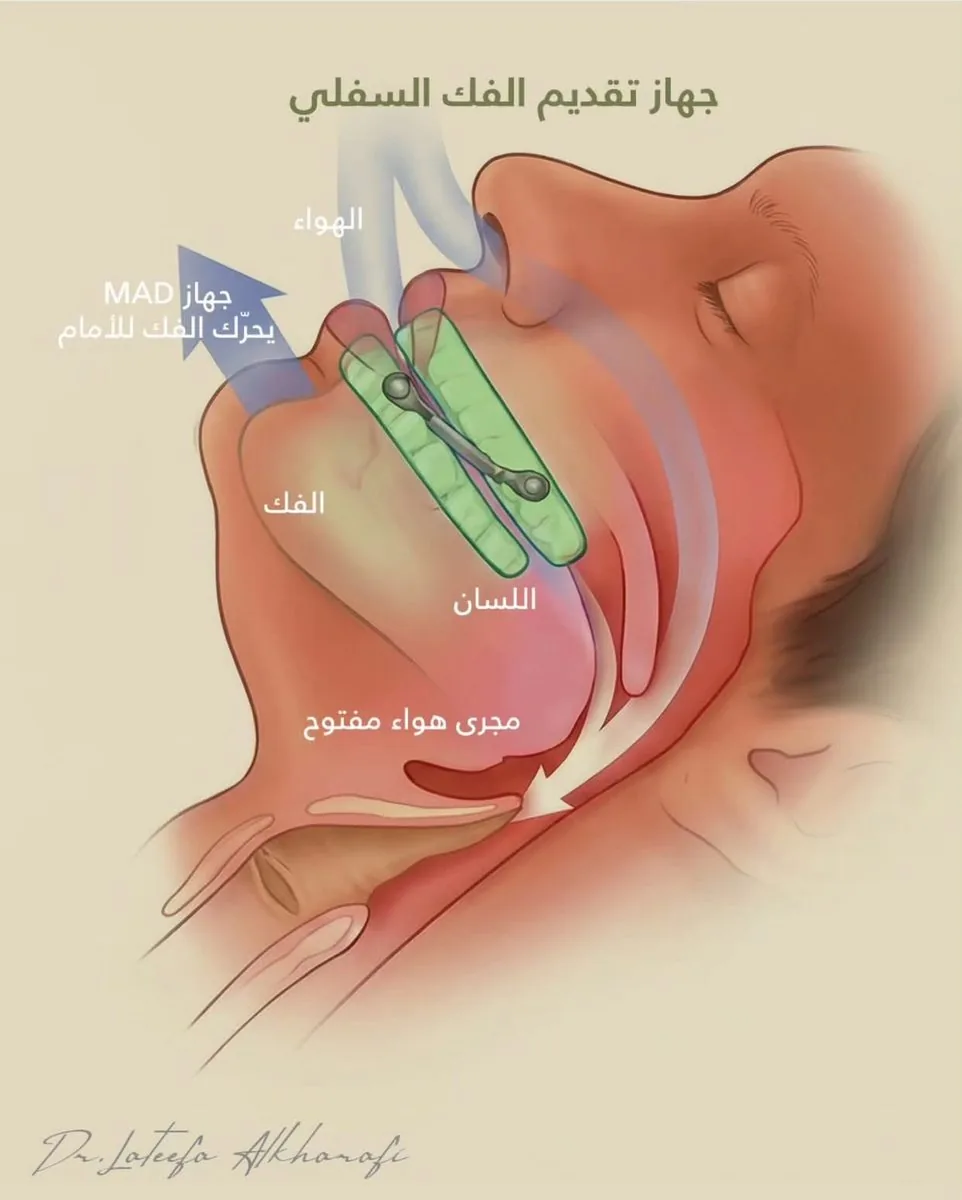
لتصنيع جهاز تقديم الفك السفلي، سيبدأ طبيب الأسنان بفحص أسنانك وفمك. بعد أن يقرر الطبيب أنك مؤهل للعلاج بهذا الجهاز، سيأخذ صورة رقمية لأسنانك عن طريق الماسح الضوئي. ثم يتم تصميم جهاز خاص بك مع المختبر لصناعة الجهاز. حتى بعد أن تستخدم الجهاز، ستحتاج إلى المتابعة مع الطبيب المعالج للتأكد من فعاليته وإجراء أي تعديلات ضرورية. من الممكن أن يطلب منك طبيب الأسنان مراجعة طبيب النوم الخاص بك مرة أخرى لإجراء فحص نوم جديد؛ لتقييم فعالية علاج جهاز تقديم الفك السفلي.
٣ — الجراحة
قد يلجأ المرضى الذين لا يستطيعون استخدام أي من الجهازين السابقين إلى جراحات الأنسجة اللينة في البلعوم وتحفيز اللسان مع جراحي الأنف والأذن والحنجرة أو جراحة تقديم الفكين مع جراحي الفم والوجه والفكين. المرضى الذين ننصحهم بجراحة الفك يعانون بالعادة من انقطاع شديد بالتنفس ويحتاجون أيضاً إلى علاج تقويم الأسنان. تعتمد جراحة تقديم الفكين العلوي والسفلي على تحريك عظام الفكين إلى الأمام، مما يؤدي بدوره إلى شد الأنسجة الرخوة في الحلق واللسان، وبالتالي توسيع مجرى التنفس. أما علاج تقويم الأسنان فهو ضروري لضمان نجاح هذه الجراحة. قبل العملية، يقوم التقويم بترتيب الأسنان بشكل صحيح ليتناسب مع الوضع الجديد للفكين بعد الجراحة. وبعد العملية، يستمر التقويم في ضبط إطباق الأسنان وتحسين اصطفافها. بدون علاج التقويم، قد لا تتحقق النتائج المرجوة من الجراحة، وقد يعاني المريض من مشاكل في إطباق الأسنان. لذلك يعتبر التقويم جزءاً أساسياً لضمان نجاح الجراحة على المدى الطويل وتحسين وظيفة التنفس والمضغ معاً.
٤ — توسيع الفك العلوي
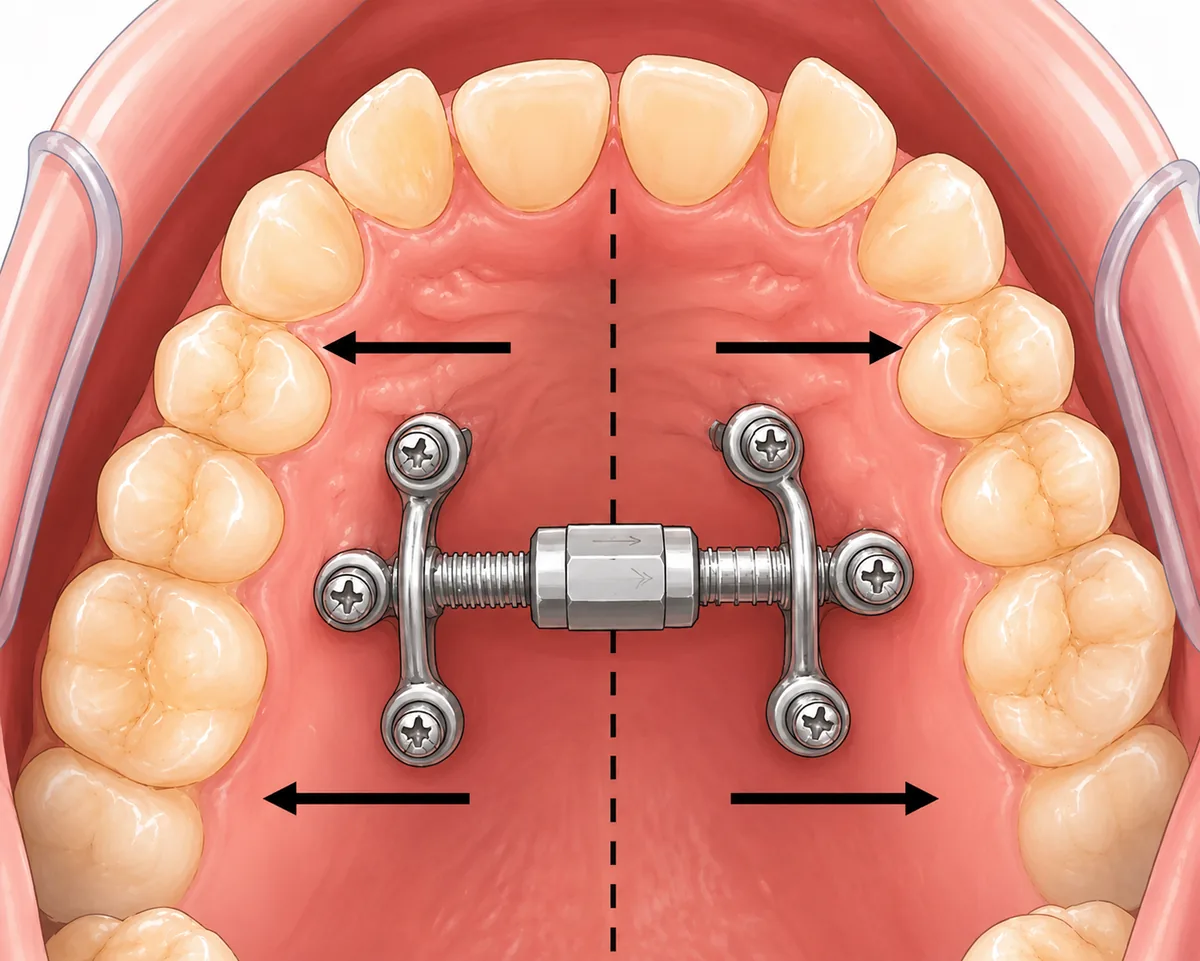
يحتاج المرضى الذين يعانون من ضيق في الفك العلوي إلى توسيعه باستخدام أجهزة مدعمة بالزرعات، مما يؤدي إلى توسيع المجرى التنفسي الأنفي وتحسين التنفس وتخفيف أعراض انقطاع النفس. سيقوم طبيب تقويم الأسنان بأخذ أشعة ثلاثية مقطعية لتقييم المكان الأمثل لوضع الغرسات الصغيرة وتصميم الجهاز. بعد اعتماد التصميم من قبل الطبيب، سيتم تصنيع الجهاز المخصص لك في معمل متخصص. يتم تصميم كل جهاز بشكل فردي وفقاً لاحتياجات كل مريض لضمان أفضل نتائج ممكنة في توسيع الفك العلوي. بعد تركيب الجهاز، سيشرح لك طبيب التقويم طريقة تشغيله وعدد مرات استخدامه. من المهم جداً اتباع التعليمات بدقة لضمان الحصول على أفضل النتائج وتقليل فرص ظهور أي آثار جانبية.
Sleep Apnea Treatment Options for Adults in Kuwait
A growing number of people in the State of Kuwait are suffering from sleep apnea, a serious medical condition that requires proper diagnosis and treatment. What exactly is this condition, and how can it be managed?
Sleep apnea occurs when the upper airway becomes blocked during sleep. This obstruction partially awakens the patient so that breathing can resume. This cycle of blockage, waking, and returning to sleep repeats throughout the night, preventing the patient from getting restful, deep sleep. In addition to depriving the patient of quality sleep, this interruption reduces blood flow to vital organs, affecting overall health. If left untreated, it can increase the risk of several diseases, including insulin resistance (the beginning of diabetes) and cardiovascular diseases. Patients experience various symptoms, most notably: loud snoring, a feeling of choking, or others noticing pauses in breathing during sleep, frequent nighttime awakenings, not feeling rested after sleep, morning headaches, and excessive daytime sleepiness.
Certain factors increase the risk of developing sleep apnea, such as: obesity, post-menopause in women, being male, and advancing age. Additionally, certain facial and jaw structural features may increase the likelihood of the condition, such as: a small or receded lower jaw, a narrow upper jaw, and improper dental alignment (open bite).
Estimates suggest that approximately twenty percent of adults in Kuwait are at high risk for this condition. Sleep apnea is diagnosed through an overnight «sleep study,» which must be conducted under the supervision of a physician specializing in sleep medicine.
Dentists play an important role in recognizing the signs and symptoms indicative of the disease, taking the patient's medical history, and referring them to a sleep medicine specialist when needed. After diagnosis, the sleep physician determines the appropriate treatment. The most important treatment options include:
1. Positive Airway Pressure Device
This is considered the optimal treatment for sleep apnea. It consists of a mask connected to a machine that pumps air to keep the airway open during sleep. It is prescribed and provided by a sleep physician.
2. Mandibular Advancement Device
This is a device fitted in the mouth to be worn during sleep. The device pushes the lower jaw forward, which helps open the upper airway. This device is provided by an orthodontist or dentist and is prescribed for patients who cannot tolerate using the positive airway pressure device, or if the apnea is not severe, or for snoring. Research indicates that although this device is less effective than the previous one, patients tend to accept it better.
To manufacture a mandibular advancement device, I will begin by examining your teeth and mouth. After we determine that you are eligible for treatment with this device, I will take a digital impression of your teeth using a scanner. The device is then custom-designed for you in collaboration with a dental laboratory. Even after you start using the device, you will need to follow up with the treating physician to ensure its effectiveness and make any necessary adjustments. I may also ask you to revisit your sleep physician for a new sleep study to evaluate the effectiveness of the mandibular advancement device treatment.
3. Surgery
Patients who cannot use either of the two devices may opt for soft tissue surgeries of the pharynx and tongue stimulation with ear, nose, and throat surgeons, or jaw advancement surgery with oral and maxillofacial surgeons.
Patients we typically advise for jaw surgery usually suffer from severe apnea and also require orthodontic treatment. Maxillomandibular advancement surgery involves moving the upper and lower jaw bones forward, which in turn tightens the soft tissues of the throat and tongue, thereby widening the airway. Orthodontic treatment is essential to ensure the success of this surgery. Before the operation, orthodontics properly align the teeth to fit the new position of the jaws after surgery. After surgery, orthodontics continues to adjust the dental occlusion and improve alignment. Without orthodontic treatment, the desired outcomes of the surgery may not be achieved, and the patient may suffer from bite problems. Therefore, orthodontics is a fundamental part of ensuring long-term surgical success and improving both breathing and chewing function.
4. Upper Jaw Expansion
Patients with a narrow upper jaw need to have it expanded using implant-supported devices, which widens the nasal airway, improves breathing, and alleviates apnea symptoms. The orthodontist will take a cone-beam CT scan to assess the optimal placement for the small implants and design the device. After the design is approved by the doctor, the custom device will be manufactured in a specialized laboratory. Each device is individually designed according to each patient's needs to ensure the best possible results in upper jaw expansion. After the device is fitted, the orthodontist will explain how to operate it and how often to use it. It is very important to follow the instructions precisely to ensure the best results and minimize the chances of any side effects.
For clinical evaluation as a sleep apnea orthodontist in Kuwait, contact the clinic.